
Space-to-Space Transportation and Standardization

Why Space-to-Space and Standardization?

Without standard containers and interfaces, every cargo move remains a one-off project rather than a scalable logistics system in an era where space logistics supply must meet rapidly growing industry demand.

  • At least five additional U.S. commercial space stations are planned for LEO in the late 2020s and early 2030s, in addition to the ISS.
  • Space stations will have different specializations and inventories, creating a need for inter-station equipment transfer.
  • In the long term, space stations in LEO and beyond will transition from primarily consumers to producers, requiring transportation for a truly independent space economy.
  • Earth-to-space cargo transportation involves months- to years-long delays between contract signing and launch.
  • Each space station has unique docking ports, cargo volumes, and safety constraints, with no universal logistics standard today.
  • As a result, every mission treats cargo as a custom project rather than standardized units.

Our Approach

Starport Space aims to provide station operators and payload providers with a simple interface: book a cargo transfer, specify origin and destination, and let Starport coordinate the rest with partner vehicles. Our containers and transporter are being designed to be tug-agnostic and station-agnostic, so operators do not need to redesign hardware for each new destination. Our designs emphasize clear interfaces and verifiable safety and compatibility requirements from the start.

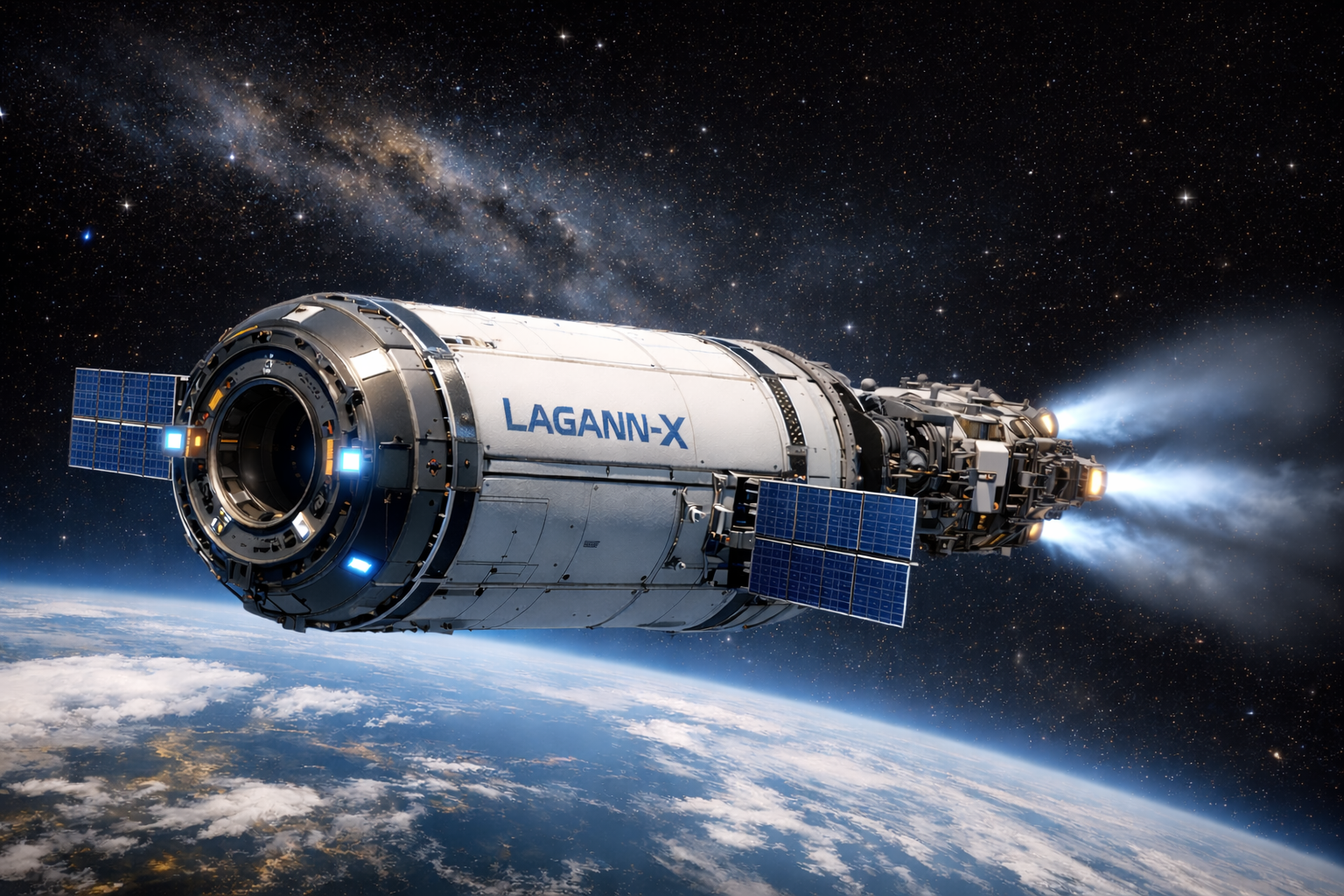
Transporter Architecture (LagannX)

A compatible transporter architecture designed to move cargo between space stations and other orbital destinations using existing and emerging space tugs, without requiring destination-specific vehicle redesign.
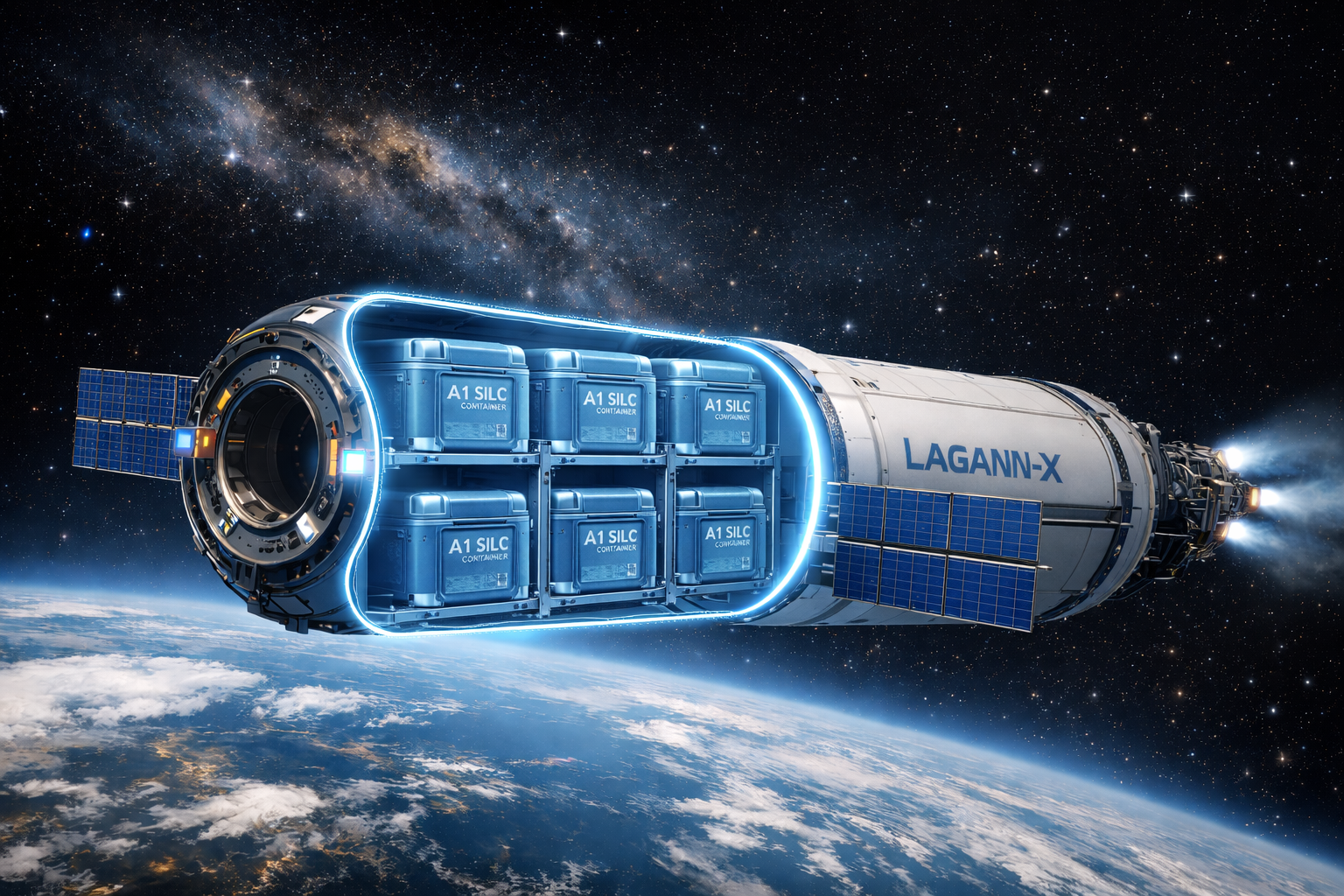
Standardized Inter-Station Logistics Containers (SILC)

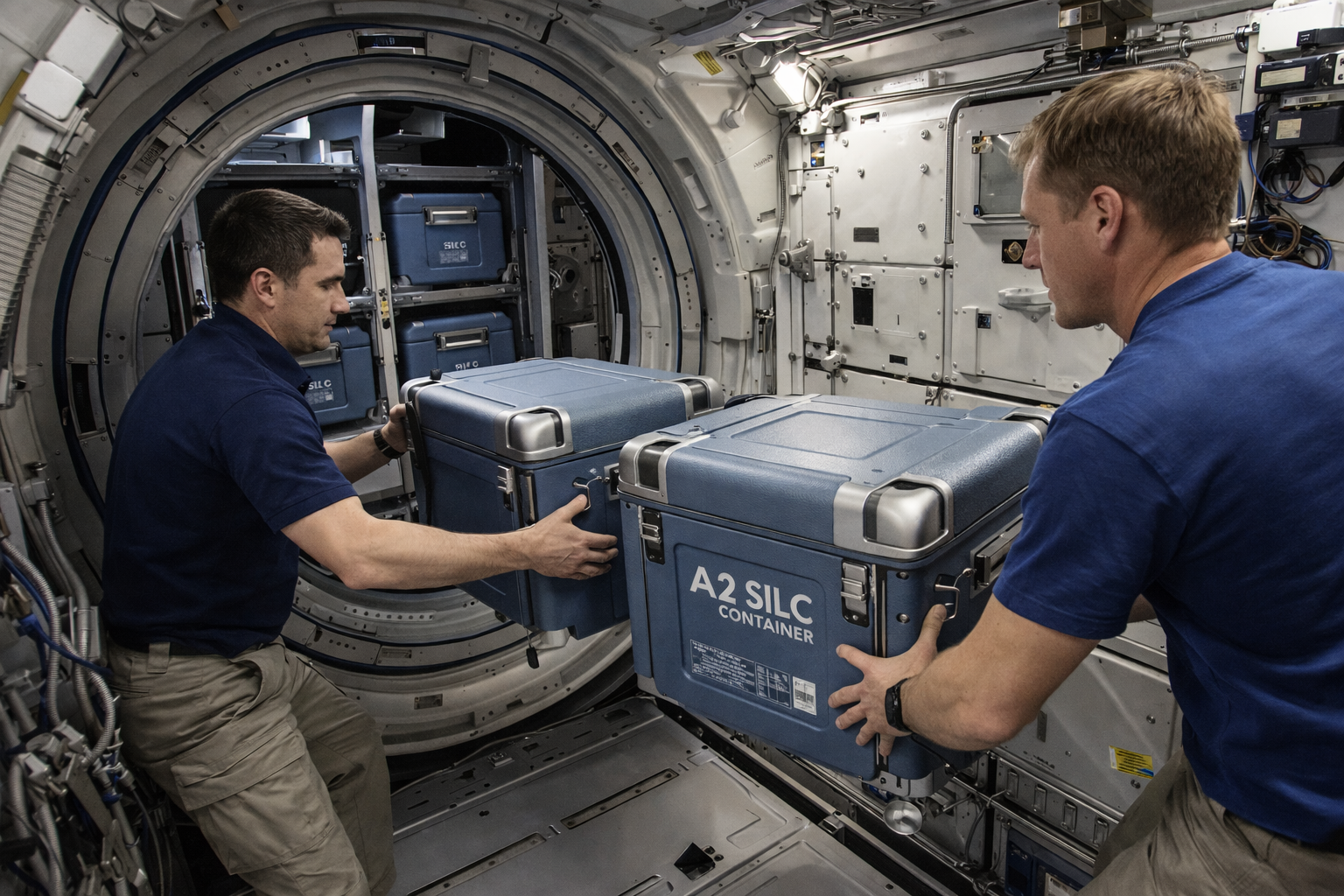
Standardized, palletized containers designed for bulk cargo transfer in low Earth orbit and beyond, with clearly defined mechanical, volume, and safety interfaces to support interoperability across multiple stations and transport providers.
Partners & Collaborators

We are actively seeking conversations with organizations and individuals aligned with the development of interoperable in-space logistics infrastructure, including:

  • Commercial space station developers and operators
  • Tug and orbital transfer vehicle developers and operators
  • Space logistics and in-orbit servicing providers
  • Institutional and strategic investors aligned with orbital infrastructure
  • Experienced spacecraft systems, verification, and validation leaders (potential co-founder or advisory roles)

Company Status

Starport Space is currently a pre-incorporation venture in active development.

Current Focus (2025-2026)

  • Refining a first-generation transporter and container concept, including initial whitepapers and interface concept documents
  • Aligning with emerging commercial station architectures and safety standards, including NASA and commercial guidelines
  • Building an advisory network and recruiting a technical co-founder
  • Targeting U.S. incorporation in 2026 and an initial demonstration aligned with commercial station deployment timelines in the late 2020s

If you operate or plan to operate a space station, tug, or in-space cargo service and are interested in interoperability and standards; or if you are a spacecraft systems, verification, validation, or payload operations leader interested in co-founding or advising, I would welcome a conversation.